
The Homepage for the Wine Industry
WineBusiness Profile.
View your Winejobs activity.
Not a member? Create an Account
Members receive a FREE subscription to the Daily News Email. Join 30,000+ daily readers.
Not a member? Create an Account
Members receive a FREE subscription to the Daily News Email. Join 30,000+ daily readers.


WINEBUSINESS MONTHLY
The Industry's Leading Publication for Wineries and Growers
WINEBUSINESS MONTHLY
The Industry's Leading Publication for Wineries and Growers
select news topic
{{news.title}}
{{news.subtitle}}
{{news.title}}
{{news.subtitle}}
WINEJOBS
{{wj.dateString}} | {{wj.locCity.toLowerCase()}}, {{wj.locState.toLowerCase()}}
ANALYTICS
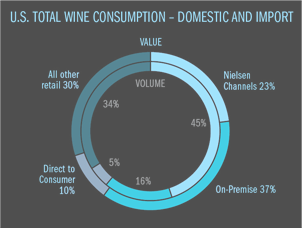
The Wine Analytics Report is a monthly, digital report on the U.S. wine industry produced by the editorial team at Wines Vines Analytics
and based on information from proprietary databases and data supplied by partner research firms.
CLASSIFIEDS
Lastest Listings
{{listing.sectionTitle.toLowerCase()}} - {{listing.dateString}}